Your expert in troubleshooting, repair, maintenance, and support for your AKTA laboratory equipment in Switzerland


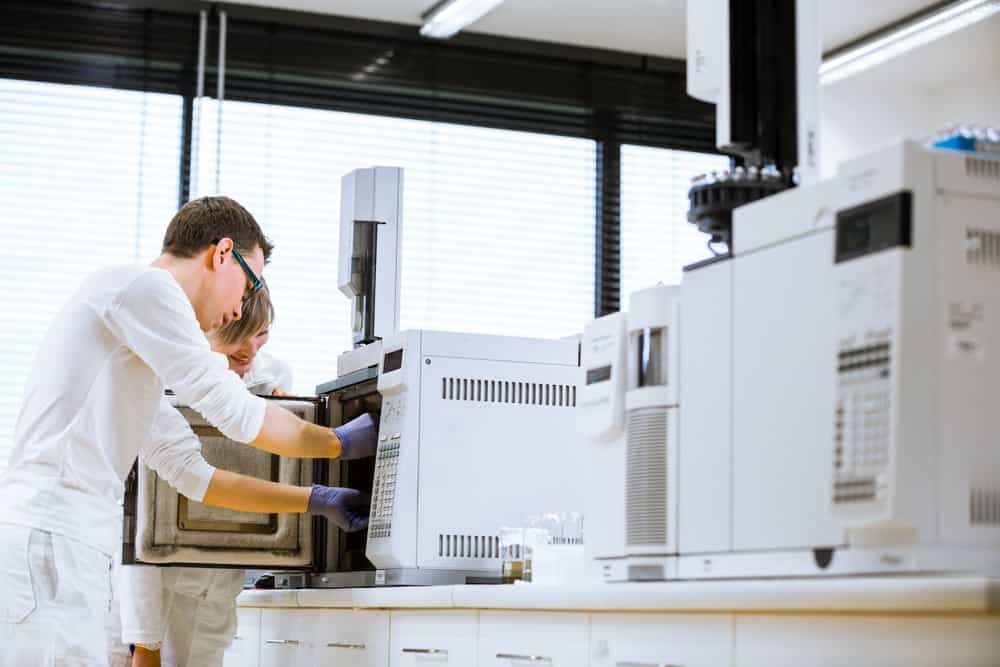
Whether you’re looking to ensure optimal performance, maintain the accuracy of your analyses, or comply with current regulations, upgrading your lab requires much more than just state-of-the-art equipment. This often comes with a high price tag, which presents many people with the challenge of striking a balance between quality and affordability. Fortunately, there are middle-ground solutions.
How to Assess Your Lab's Current Setup
To begin with, you should assess your lab's current equipment to identify areas for improvement and determine what needs to be updated or even replaced. You can do this by checking:
- Age and condition of the equipment: Examine the age and condition of each piece of equipment, assessing its overall condition, including signs of wear and tear.
- Performance and Efficiency: Evaluate the performance and efficiency of your equipment in relation to your laboratory’s workflow. Consider factors such as throughput, accuracy, sensitivity, and resolution.
- Technological Advances: Regularly assess whether your current equipment meets industry standards or best practices.
- Regulatory Compliance: Ensure that your equipment meets regulatory requirements, such as Good Laboratory Practice (GLP) and industry standards for data integrity, calibration, and validation.
- Feedback and user satisfaction: Gather feedback from lab staff who use the equipment on a daily basis. This feedback can provide valuable insights into areas for improvement or optimization.
Cost-Effective Ways to Modernize Your Laboratory
After assessing your laboratory's existing equipment, you can proceed to evaluate the steps needed to effectively upgrade your laboratory, taking into account factors such as operational needs, return on investment (ROI), and lifecycle management.
Explore options for replacing old countertops
The most heavily used areas of a laboratory are often the countertops, which can quickly look worn and outdated due to spilled chemicals or improper cleaning methods that damage or wear them down. Old countertops can also become contaminated, mainly due to heavy use; replacing them should therefore be a priority to prevent sample contamination. Another benefit: your lab will have a more modern and fresh look.
Upgrade Your Equipment
Newer, high-quality equipment can make all the difference in laboratory efficiency: it helps produce better results, handle larger volumes, and reduce time lost due to technical issues. However, opting for refurbished equipment or parts can be a cost-effective and reliable alternative to purchasing new equipment, especially for laboratories with limited budgets. Refurbished parts help extend the lifespan of your current chromatography equipment while improving the performance of detectors, pumps, and other essential components.
At BPM TechCare, we offer a wide range of options tailored to your needs, including refurbished instruments from leading brands such as Agilent, Thermo, and many others, at prices lower than those of the original manufacturers. We also carry a variety of other chromatography equipment to optimize your laboratory, such as gas generators, chillers, and primary pumps.
All of our remanufactured parts and equipment undergo rigorous inspections, testing, and reconditioning to ensure their quality and reliability. All items are available through our standard exchange program, which is available worldwide.
If you're not sure when to repair or replace your lab equipment, our recent blog post offers tips on the signs to look for.
Replacement of Columns
Replace worn-out or outdated columns in your laboratory with newer, more efficient models to significantly improve chromatographic performance. Upgrading your columns offers numerous benefits, including improved resolution, sensitivity, and peak shape, leading to superior analytical results.
Automation for Greater Efficiency
If you're looking to reduce manual labor and improve the efficiency of your workflow, consider investing in automation systems that streamline sample preparation processes. These automation solutions are designed to handle repetitive tasks with precision and consistency, minimizing human error and ensuring reliable results. By delegating routine activities to automated systems, lab staff can focus their expertise on tasks that require critical thinking, analysis, and decision-making.
Introduction to Quality Control
The smooth operation and reliability of laboratories depend on effective quality control measures. Regular upkeep and maintenance are essential to this process and, in the long run, help reduce the frequency of equipment replacements. A structured maintenance program allows you to quickly detect and resolve potential problems, which costs you far less than replacing the equipment. By keeping your equipment and instruments in good condition, you also ensure consistent performance and reliable results.
During their visit, our team of certified technicians will, if necessary, replace parts or immediately install cost-effective remanufactured components to ensure the continued operation of your laboratory. Each of our service contracts is customized to meet your needs, offering options ranging from comprehensive annual maintenance to one-time repair services.
Have a question? Need a personalized quote?